
It is 4pm on a grey February afternoon, still cold and wintery. There are snow drops and crocuses starting to poke through, but the cold is still piercing, and the weather unpredictable. It is sometime close to the full moon, and I have been experiencing an expected bout of hormonal insomnia. We are in the in between; the frozen winter slowly loosening its grip to the vital, upward, woody thrust of spring.
Echoing these transitional energies, I have decided to pack up my life and son and move home – excitedly (prematurely) giving notice on my flat, full of belief in divine provision, but before having found somewhere else to go. I could kick myself for having been so optimistic. So, the initial excitement of moving has worn off, and the reality and sheer inconvenience of the fact now looms glaringly every time I look at a yet to be packed bookcase.
Moving house, with a kid, in a pandemic, with as of yet no forwarding address is triggering the shit out of me. I berate myself for being idealistic to the point of irresponsible. All my fears come to visit.
Fear is the body’s automatic response to perceived danger, it readies us to fight or flee for our lives, or paralyses us until the danger has past (like disappearing into Netflix for three days and completely disengaging from both the mundane and the meaningful experiences of life).
Fear or worry in the face of something like an exam or new venture is normal, it dissipates once the thing is done. Anxiety is like a low-level fear switch that is never turned off, it could manifest for any number of reasons including response to trauma or adverse developmental environment, or because we develop a habit of worrying; our anxious fears are often worse-case scenario fantasies projected on to an imaginary future.
Importantly, the body cannot discern between real, perceived or imaginary threat. The physiological response is the same; increased cortisol levels, changed heart rate, rapid breathing, suppressed appetite and digestion, and increased blood flow and glucose to major muscle groups. We might feel these phenomena in the body as racing heart, breathlessness, feeling tight chested, dizziness, twitchiness, or feelings of being ‘on edge’. Our sensory and emotional processing abilities are interrupted, our problem-solving ability is impaired. My partner describes it as having lost his super powers.
In an attempt to make sense of, or gain control over, our experience, we outwardly express behaviors such as overthinking and over planning, over or under eating or medicating, over exercising, not exercising, oversleeping, not sleeping, wanting more sex, or none at all.
This state of nervous arousal is energetically very draining and taxing on the body’s various organs and systems. While the silent processes of our body ultimately always orientate themselves toward wellbeing, sometimes our external efforts to address stress and anxiety do not align with this direction. Despite our best intentions, sometimes our coping strategies do more harm than good.
The first mistake we make is assuming our anxiety is a cognitive problem that requires solving rationally. Anxiety isn’t rational, or logical. It’s a nervous response. A survival mechanism. A silent level process.
We have learnt to privilege language, logic, reason and problem solving as the pinnacle of human ‘thinking’. Rarely do we acknowledge that only a small part of our neurology has evolved for this purpose. The greater part of us has evolved to communicate silently, using felt sense sensation, touch, emotion, images, and intuition. In my own experience, I have found it to be the case that attempting to relieve, release, or even transform anxiety using cognitive methods such as NLP or CBT are limited, inefficient and ineffective.
Let me then suggest a more imaginative and creative way of dialoging with our anxious self. One with greater freedom, choice and possibility- without the linear limitation of language, or pressure of problem solving- an anxiety inducing expectation in itself.
I’m going to start by sharing a recent dream.
I am walking along the River Wye in Hay. I am with my three-year-old son and my baby niece. The river is swollen and flooded and Elijah goes toward a view point over looking the water, he climbs up on a bench. I call him down, telling him it isn’t safe because the water is high, and the banks are eroded. He comes to me and takes my hand, but as we turn to walk away, a massive surge comes from behind and sweeps my baby niece out of my arms, and she vanishes beneath the muddy waters, gone forever.
I woke from this dream fully in the grips of fear/ panic/ high anxiety that my precious niece was gone. My body was ready to dive into that river and find her; or have to tell my sister her baby was dead. It was devastating and it was real.
I wake with the physiological markers of panic and fear sympathetic nervous system fully activated. The body responds to perceived threat in the same way, regardless f whether the danger is real or imagined.
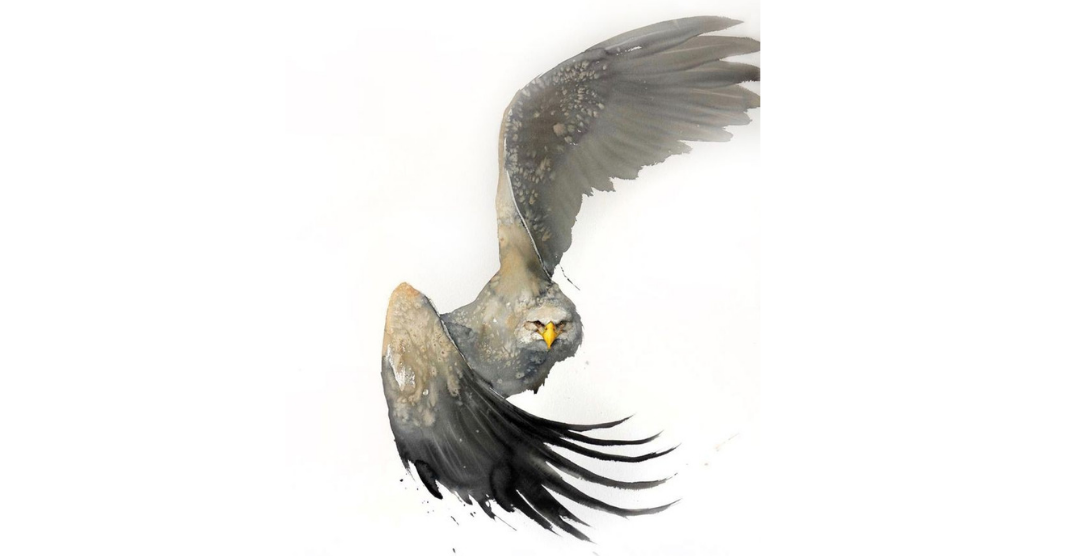
Realising that I am dreaming though, I put myself straight back into the dream at the moment I let go of my niece, and a huge eagle soars over my head and lifts her from the water to the river bank. Physical relief as my heartrate slows, my adrenaline subsides, and I can reorientate toward my waking reality more easily than when I thought my niece had drowned.
By tapping into that same imaginative process that had hijacked the peace of my sleep I am able to restore somatic equilibrium.
I have used this same technique in the past when memories of traumatic or distressing incidents have crept into my psyche, by maintaining a conscious grip of where I am and reminding myself that I am now physically and emotionally safe, I can re-imagine a scene with an alternate, safe, supportive outcome, thus avoiding repeat somatic triggers that stress my nervous system and ruin my mood. It is a very powerful tool for anyone engaged in trauma recovery work as well as a way to imagine positive outcomes to things that make us anxious.